We're in beta! If you find a bug or have feedback, let us know in our issue tracker.

Search Opportunities
south east
within 25 miles
Jun 15, 2026
11 opportunities found! use fewer search filter criteria to find more opportunities

ACT & Southern Tablelands Weedspotter

The aim of this project is to involve community members in the early detection and reporting of weeds so that ACT government and NSW council weeds officers can respond quickly to minimise the potential spread of problem weeds.

Multiple locations, including yours!

  • Ongoing
Citizen Sciencemulwaree, nrm, act, council, palerang, wingecaribee, queanbeyan, yass, shire, bombala, goulburn, lls, south east, lachlan, weed, nsw, local land services, snowy river, southern tablelands, monaro, tumut, cooma, weedsmonaroweedspalerangcoomaqueanbeyangoulburnshirelachlansouthern tablelandstumutsnowy riveryassnrmweedecology & environmentmulwaree actnsw councillocal land servicesbombalallsbiodiversitysouth eastwingecaribee

Northern Rivers Fire and Biodiversity Consortium Inc.

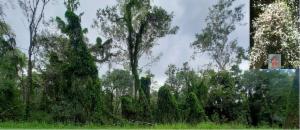
Bell Miner Associated Dieback Best Practice Project

Evaluate the removal of mid-storey density in disturbed forests using prescribed fire, weed control and bush regeneration as a method to restore BMAD affected forest.

Anywhere
  • Ongoing
Citizen ScienceEducationEcology & EnvironmentBirds biodiversitybird monitoring treesgondwana world heritagebell miner associated dieback (bmad)datatree health across the northern rivers region of new south waleslandholdersaustralia birdsbmad affected forestlocations of native bell miner colonies

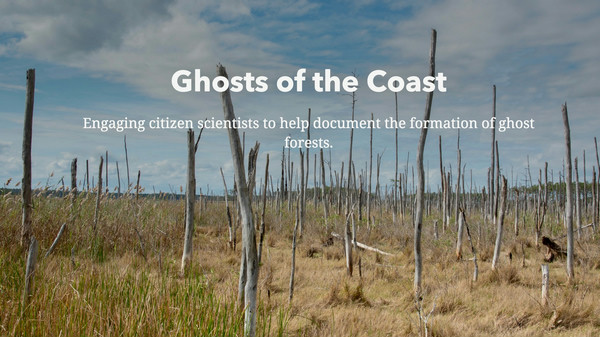
Ghosts of the Coast

Document the formation of ghost forests.

Multiple locations, including yours!

  • Ongoing
Citizen ScienceOcean Water MarineEducationEcology & Environmentcoastal marine ecologysalt tolerant plantsfloodchanging shorelinesea level risedelmarva peninsularising seasstorymapeast coasteastern shoregeologyspartina patensecologycattus islandmid atlanticmullica river estuarynew jerseydying treestributariesmaritime forestdroughtdelawaremarinesalt water intrusionstumpdelaware bayblue crabcoastal ecologysouth carolinatidephragmiteshurricanewildfiressawgrassghost forestnorth carolinadead treessaltstormsoilforestmarylandgeographybleached treessaltwater marshshorelinelow elevationgroundwatervirginia coast reservesweet gumcordgrasstree stumpsalinewoodkeryn gedanclimate changeestuarysalt watertree deathprime hook national wildlife refugemarsh migrationblackwater national refugesaltwater marshesblack needle rushsaltwatergedan labswampchanging landscapeland conversionriverbankwetlandsseawatercoastal educationvirginiachesapeake baytidal inundationsalt tolerantgeorgiadisturbanceregenerationpinesalt stresscoastalnew yorkdying forestcedarglobal warmingfloodingsurvey123marshfloridakilling treessomerset countysapghosts of the coastthe george washington university

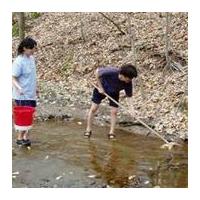
Jug Bay Macroinvertebrate Sampling

Maryland

  • Ongoing
Citizen ScienceNature & OutdoorsAnimalsEcology & EnvironmentInsects & PollinatorsOcean Water Marineinsectbugswater qualityinsectsaquatic insectswater pollution

Leaf Tying Moth (Hypocosmia pyrochroma) - a biological control agent of Cat's Claw Creeper (Dolichandra unguis-cati) in the Burnet-Mary catchments

This is a citizen science-based project aimed at raising public awareness of the devastating impact the Cat’s Claw Creeper has on our natural environments as well as contributing to a better understanding of the establishment and dispersal processes of biological control agents as well as their effe

Multiple locations, including yours!

  • Ongoing
Citizen Scienceecology & environmentbiodiversityecology hypocosmia pyrochroma leaf tying mothinvasive weedsbiological control dolichandra unguis-cati biological controlhypocosmia pyrochromacat's claw creeperdolichandra unguis-cati invasive weedsleaf tying moth
12

Share Your Results

Share the list by copying the link below

Copy Link